Experts want equal economic opportunities for all
Worries over the apparent inability of Nigeria to meet all the Sustainable Development Goals (SDGs) by 2030 was the thrust of a report released by O-Analytics Research and Development Initiative (ORADI) as published in a journal titled ‘SDGs Monitor,’ saddled with the responsibility of monitoring the level of implementation in Nigeria.
The current edition of the journal is tracking Nigeria’s progress in the implementation of two of the global goals – Decent Work and Economic Growth (SDG8) and Reduced inequalities (SDG 10).
Experts, therefore, charged the Federal Government on equal distribution of economic opportunities across the country to ensure a drastic reduction in income inequalities.
They also urged the Federal Government to look outside the oil sector to diversify the economy in order to accelerate productivity and decent employment opportunities in the country.
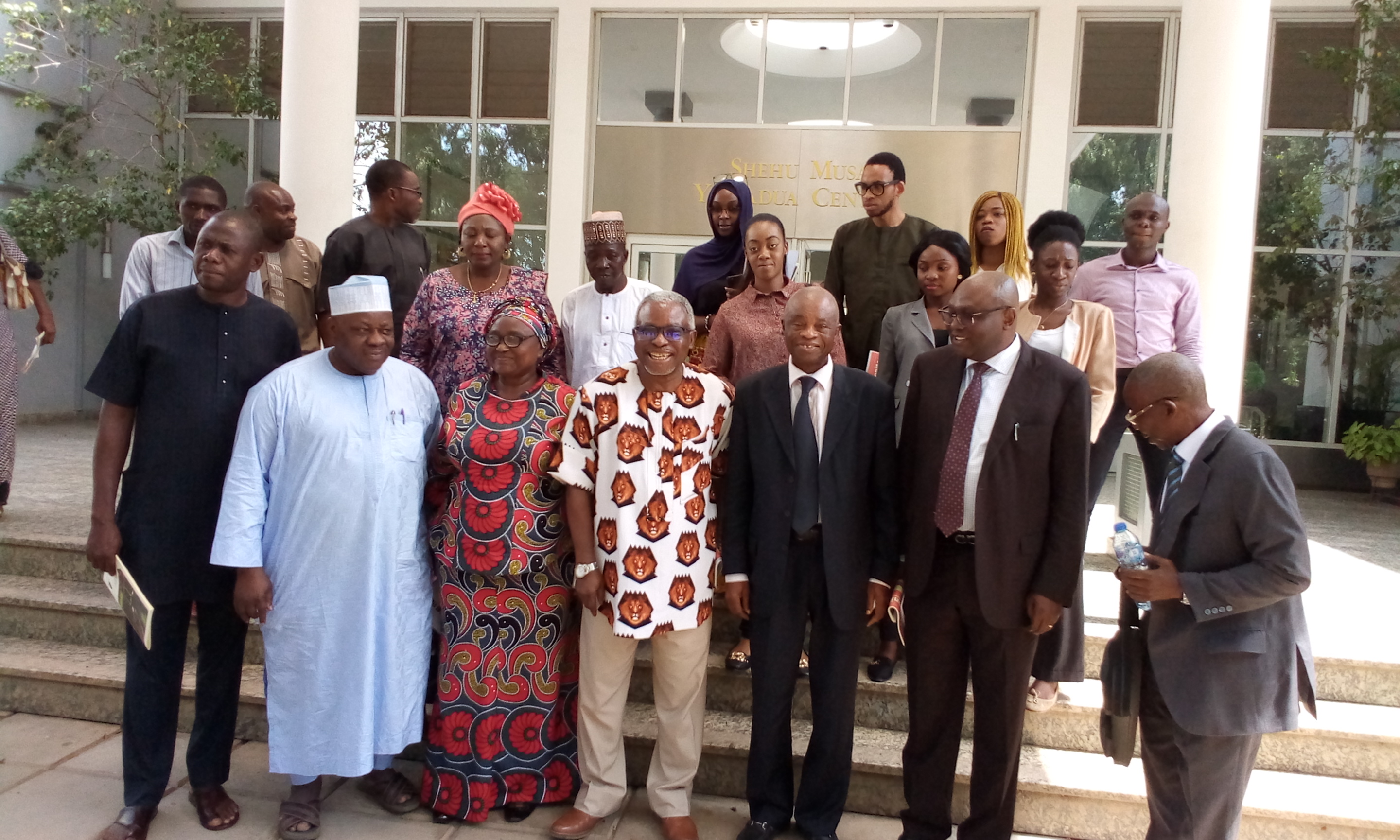
The Stakeholders made this call during the quarterly research presentation by ORADI, held in Abuja on Tuesday, stating that alot need to be done to put Nigeria on the right track in implementation of decent work and inclusive economic growth.
Prof. Ebere Onwudiwe, the publisher of the journal, in a press statement, said that though there are different kinds of inequality in Nigeria but focus is on income inequality, adding that it is better to prioritize the numerous challenges facing the nation.
Prof. Ebere noted that low economic growth has been a major cause of income gap in the country, urging that government should improve the quality of life for its citizenry by equalizing economic opportunities for all.
“Apart from low economic growth, we must turn our attention to the rot, bad governance and the need for a change from the current unfair system in which economic wealth is excessively concentrated in the hands of few”, Onwudiwe stated.
The President of Nigerian Economic Society, Professor Sarah Anyanwu said that the recent 23.1% unemployment statistics released by National Bureau of Statistics (NBS) is on the high side, thus, diversification of the economy would further reduce poverty to the barest level.
According to Anyanwu, Nigeria was the first decent work country program which was developed by International Labour Organization, ILO, in collaboration social partners in 2005.
She also emphasised that there is need to reduce inequality not only in income but in other areas such as access to education, health care facilities, agriculture and so on.
According to the journal, decent work and economic growth which is Goal 8 of the Sustainable Development Goals (SDGs), encourages all United Nations (UN) member countries to do more to empower individuals through the promotion of inclusive and sustainable economic growth, full and productive employment and decent work for all by 2030.
The International Labour Organisation defines ‘decent work’ as employment that respects the fundamental rights of the human person as well as the rights of the workers in terms of conditions of work, safety, and remuneration (Frey and MAcNaughton 2016).
Highlight of the event was an entertainment by “Body Twisters”, a Cross River Dance Troup, to the delight of the participants.