Reps call on FG to implement the carbon credit scheme or face calamities
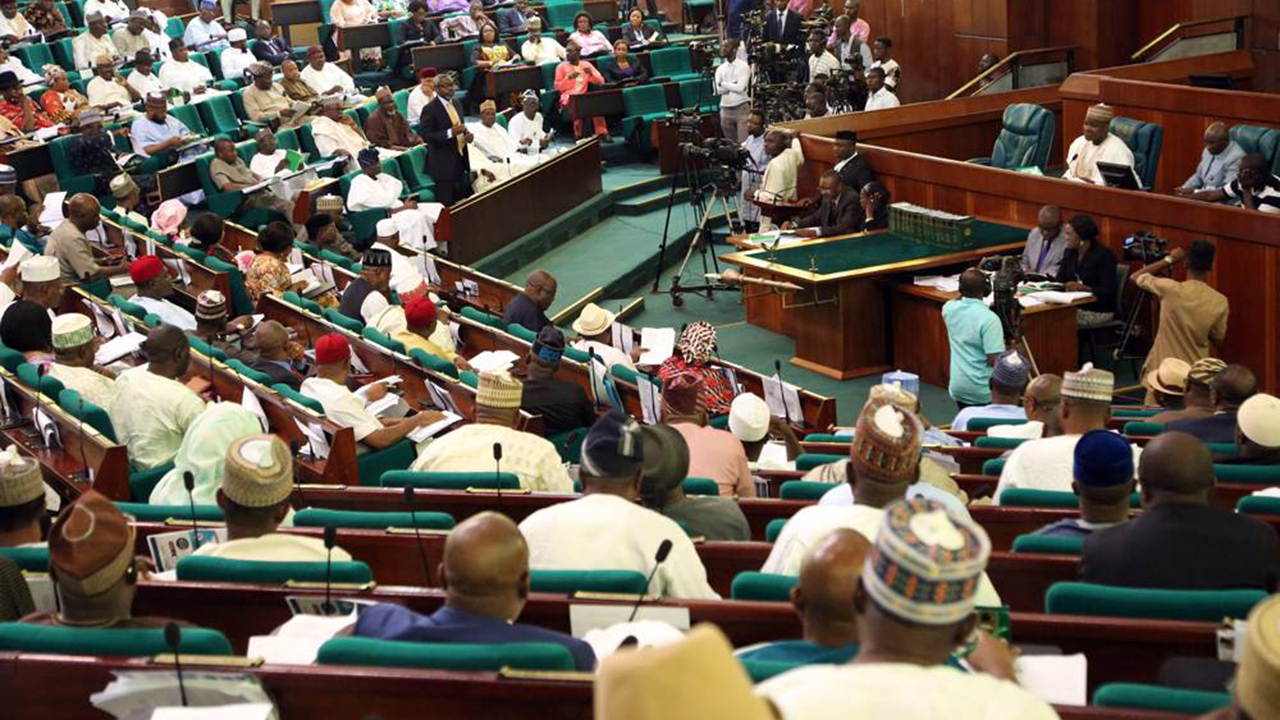
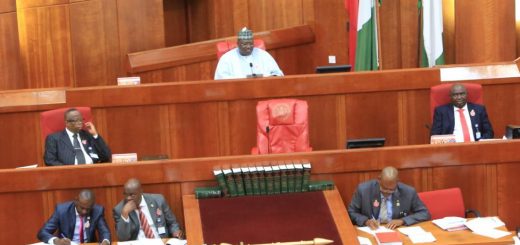
The House of Representatives on Thursday urged the Federal Government to direct the National Council on Climate Change in to immediately implement the Carbon Credit Scheme through the formulation of an Action Plan that is consistent with Section 20 (1) (2)(3) of the Climate Change Act, 2021;
It also mandated the council to collaborate with the Federal Ministries responsible for Industry, Trade and Investment, Environment, and Budget and National Planning to present to the National Assembly, for approval of the Budget derived from the processes. Especially as the implementation of Section 19 (2)(3) of the Climate Change Act about the Carbon Credit/Action Plan is already behind schedule.
The lawmakers also called on the Committees on Climate Change, Environment, National Planning, Industry; Commerce and Legislative Compliance to liaise with the National Council on Climate Change and Federal Ministry of Industry, Trade and Investment to ensure compliance and report back within one (1) week .
The motion which is titled: “Need to Implement Carbon Credit as Part of the Effort towards Mitigating the Impact of Climate Change In Nigeria”
Moving the motion, Rep. Sam Onuigbo (APC, Imo) complained of the devastating impact of climate change in the World, particularly in Nigeria with desertification racing southward at a speed of 0.6km per annum, gully and coastal erosions destroying communities and farmlands, thus drying up Lake Chad.
The House therefore expressed concern over the frequent cases of herders and farmers’ clashes with attendant deaths and flooding across several States.
“This 9th Assembly passed the Climate Change Bill which was assented to by President Muhammadu Buhari on November 17, 2021, Section 19(i) of the Climate Change Act stipulates that the Federal Ministry of Environment shall, in consultation with the Federal Ministry responsible for National Planning set Carbon Budget for Nigeria to keep average increases in global temperature within 2°C and pursue efforts to limit the temperature increases to 1.5°C above pre-industrial levels.
“Also aware that Section 4(i) and (j) mandate the National Council on Climate Change to collaborate with the Federal Inland Revenue Service to develop a mechanism for Carbon Tax in Nigeria and collaborate with the Federal Ministries responsible for Environment and Trade to develop and implement a mechanism for Carbon Emission Trading.
“Section 20(4)(a) of the Climate Change Act states that “the Action Plan shall serve as
a basis for identifying the activities aimed at ensuring that national emissions profile is consistent with
the Carbon Budget goals;
“Cognizant that Legislators have responsibilities for ensuring that measures are taken to avert the devastating impacts of climate change, hence, the House strongly advocates that Nigeria implements the law on Carbon Credit (reward system) as part of the several measures that can be taken towards reducing the impacts of climate change in the country.”
Onuigbo also pointed that the industrial sector contributes a high percentage of greenhouse gas emissions in Nigeria, hence, the need to develop the capacity for implementing a carbon credit scheme to incentivize the decarbonization of the industrial sector in Nigeria.
He also noted that Carbon Credit is a policy where industries are encouraged to reduce their carbon footprint to earn calculated carbon credit (per ton of carbon), while industries which exceed emission thresholds are sanctioned with fines, therefore, the carbon market is a trading platform whereby carbon credits earned by one industry can be purchased by another to make up for their pollution.
“The Paris Agreement on Climate Change signed by Nigeria on September 22, 2016, and other international conventions, the Kyoto Protocol is one of such international conventions, adopted in 1997 which came into force in 2005 to reduce man-made greenhouse gas emissions, and Nigeria has a responsibility to implement them internally.
“Except Nigeria takes necessary measures to reduce the impacts of climate change in the country, the Climate Change induced calamities will continue”, he warned.